Why agentic AI breaks today's inference hardware
Agentic AI doesn't run one model. It runs a committee — and current hardware pays a tax on every handoff.
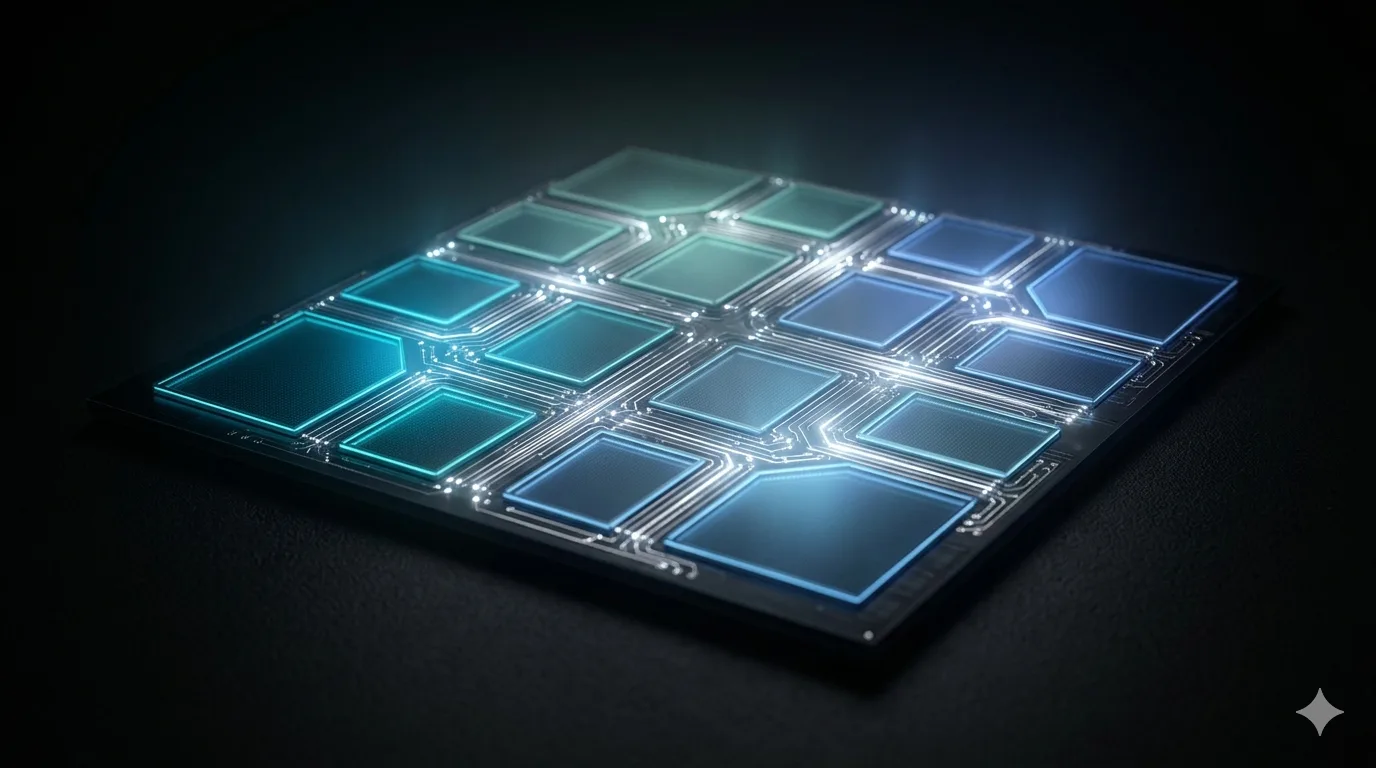
The workload that breaks today's chips is the one we're building ours for.
A single agentic session rarely uses one model. It routes between several specialised ones — a planner, a coder, a retriever, a critic — handing the task back and forth. The trend is toward more of this, not less: four to eight models in a session is already common.
That pattern is exactly what current inference hardware is worst at.
Two bad options
A GPU is flexible — it can run any model — but it holds only so much in fast memory. Switch models and it reloads a fresh set of weights from slower memory or storage, paying the data-movement tax again with every handoff. Across a session of many switches, the reloads dominate.
A fixed-function inference ASIC is efficient — it bakes one model into silicon — but it's useless the moment you need a different one. It can't be the committee; it can only be a single member.
Neither was built for the workload agentic AI actually is.
Keeping the committee resident
Phynomy's answer is a multi-bank architecture. Several complete models stay resident at once, each in its own independently addressable RRAM bank. Switching between them isn't a reload — it's an electronic bank-select signal in microseconds rather than the seconds a cold reload can take. The committee stays in the room.
That is the gap Phynomy's architecture is designed to close: ASIC-class efficiency, GPU-class flexibility, and several models resident at once. It's the combination agentic inference needs — and the reason the workload that breaks today's hardware is the one Phynomy is being built for.